WWII Uniforms Reference
This section aims to provide an extensive overview of these uniforms, highlighting
not only their designs but also their role in the broader context of WWII.
Key features of WWII uniforms varied widely, with materials ranging
from wool to cotton and even synthetic fibers for specific functions.
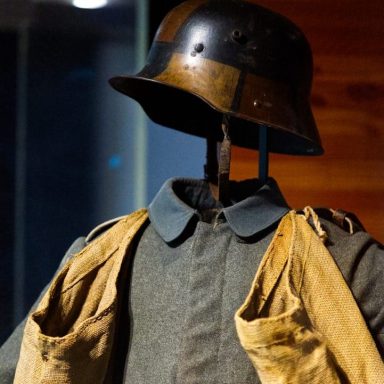
Exploring the Evolution of WWII Uniforms
Reference for Collectors
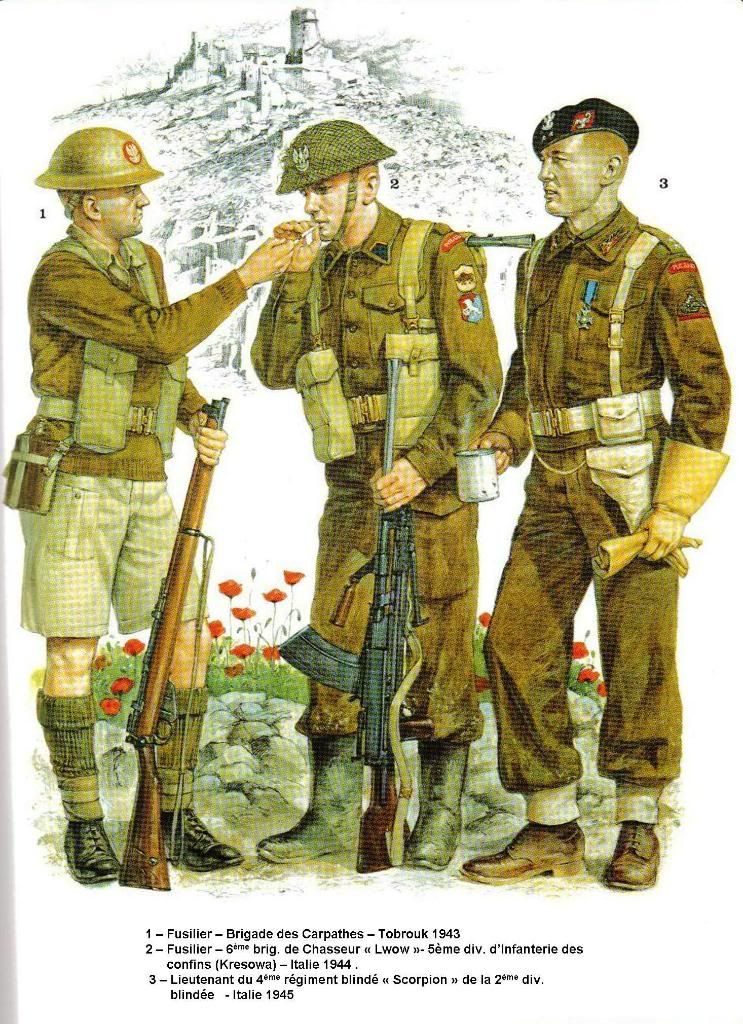
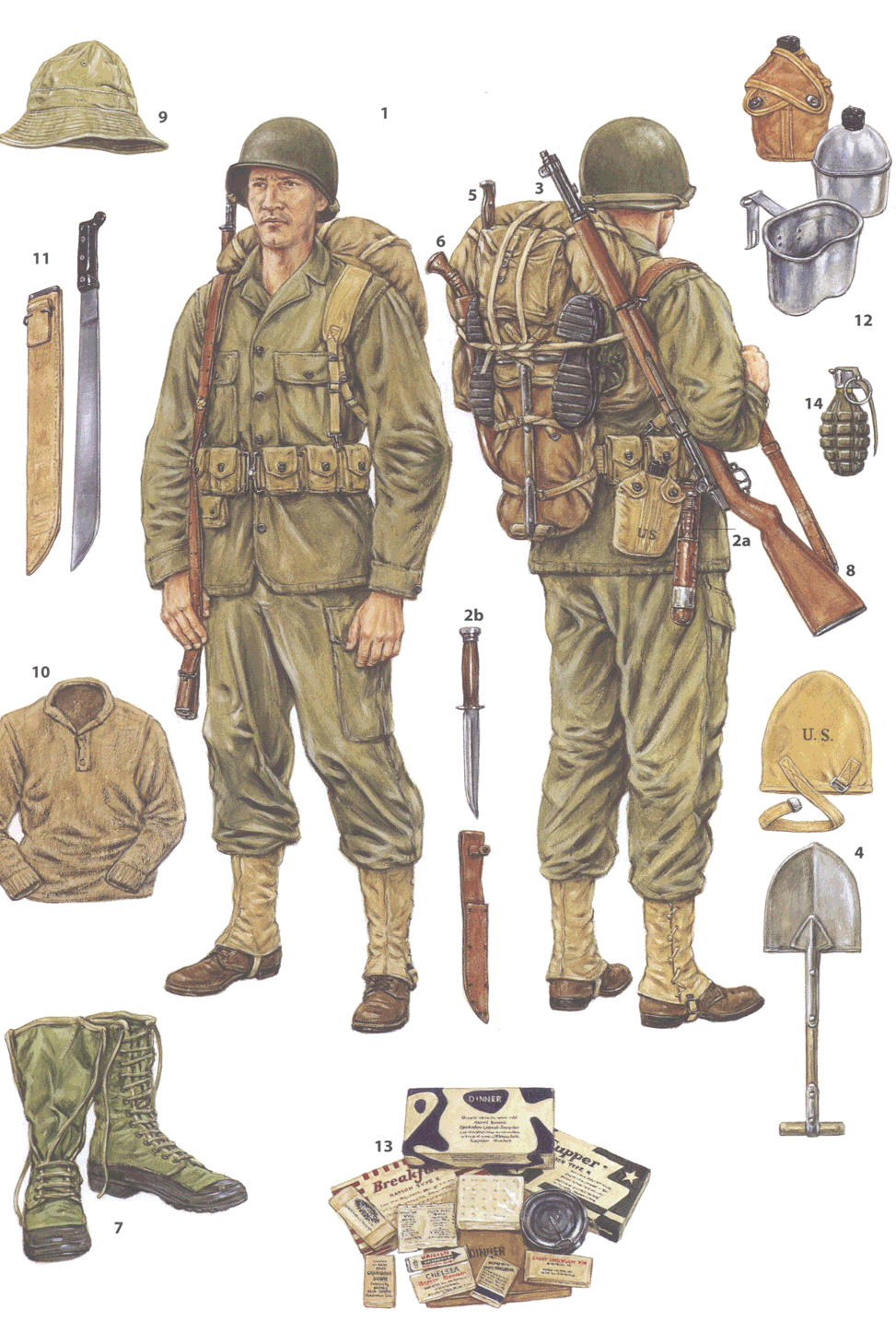
World War II uniforms are not only functional garments but also powerful symbols of the military forces involved in the conflict.
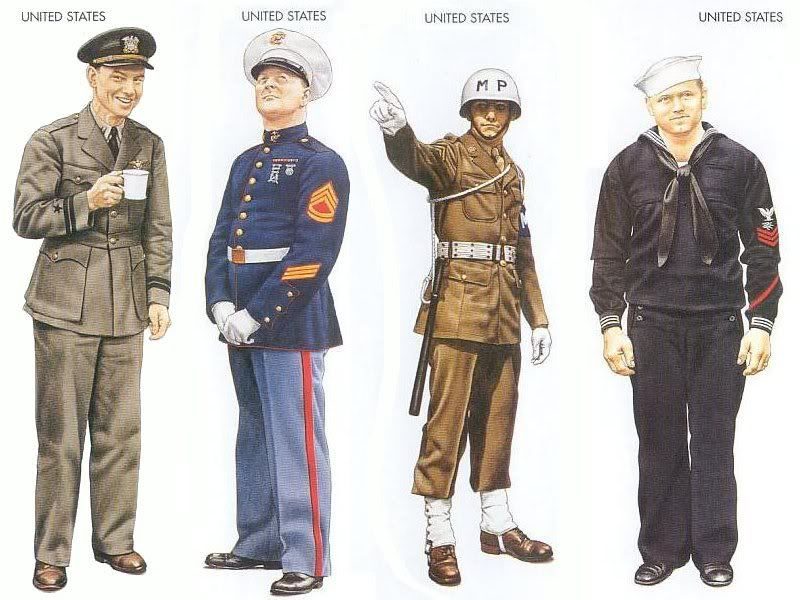
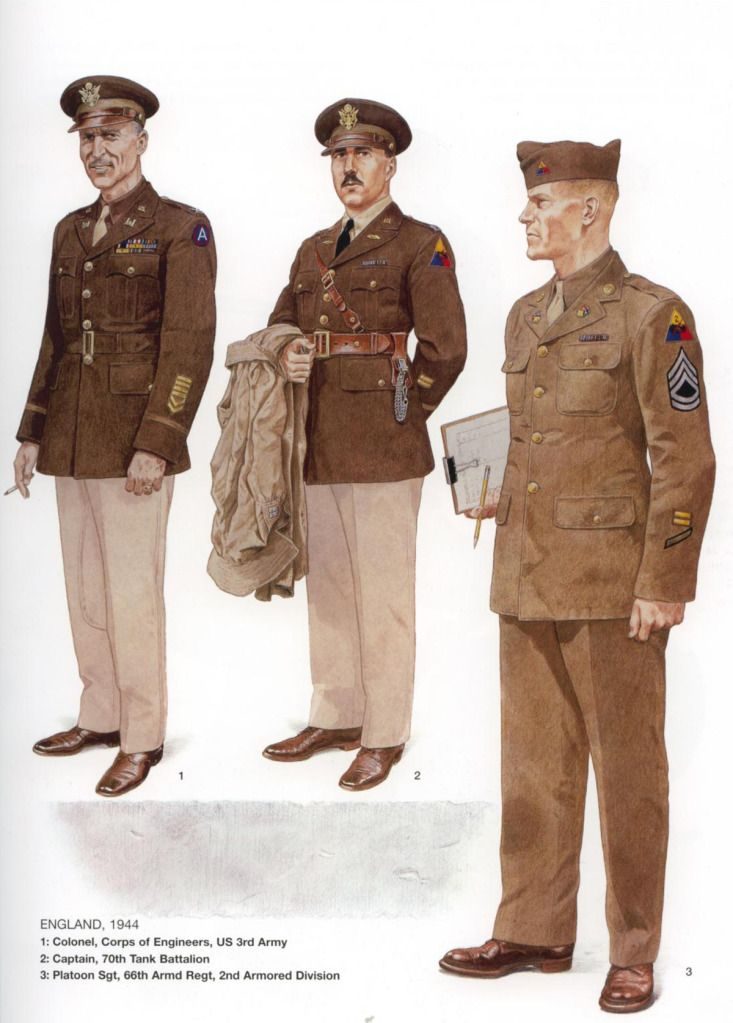
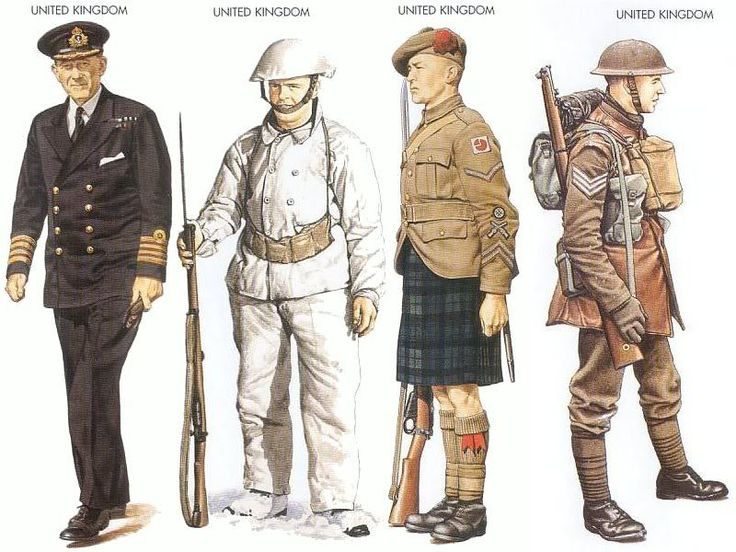
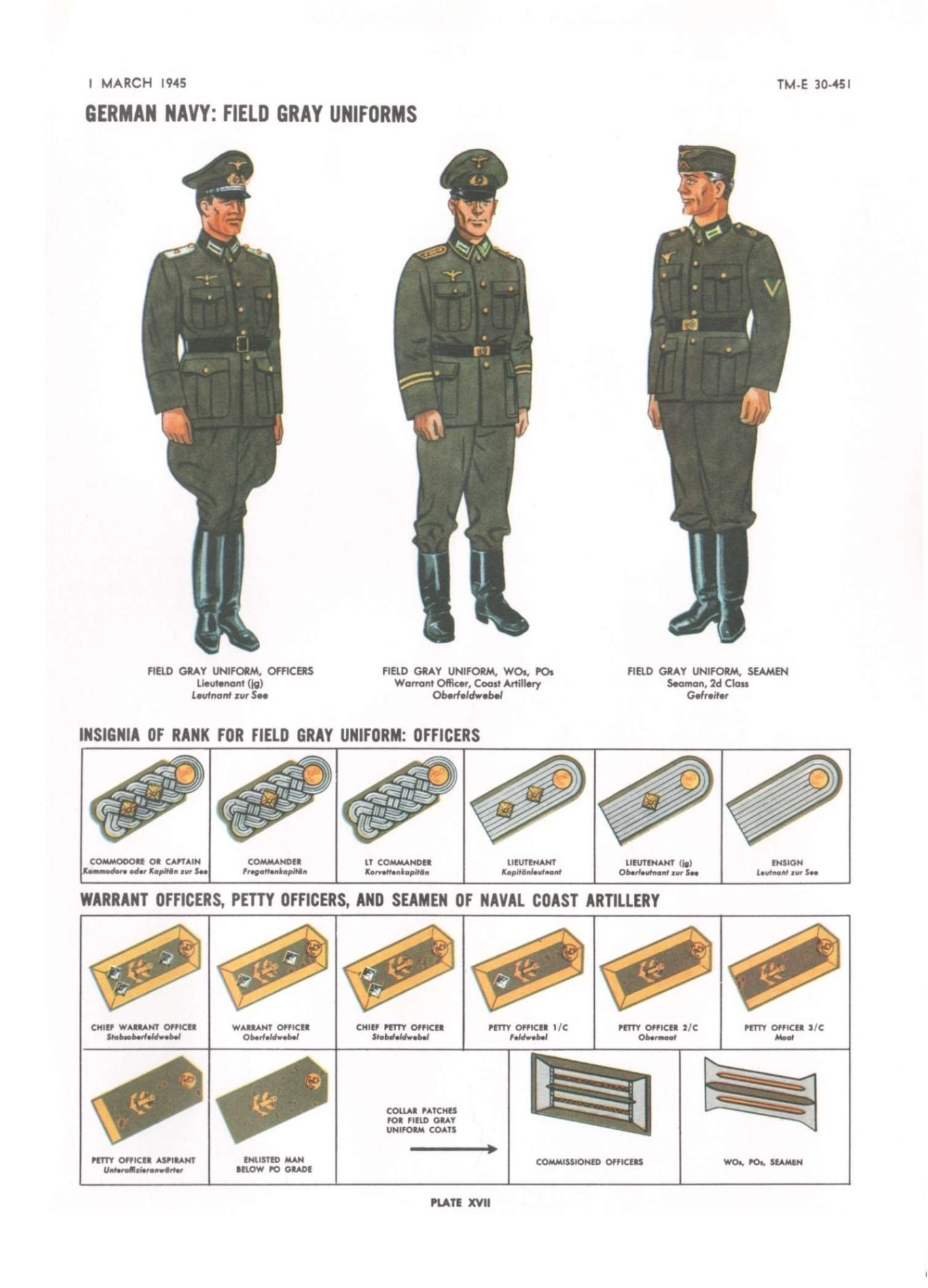
Understanding the distinctions between the various branches of service—such as the Army, Navy, and Air Force—is essential for any enthusiast.
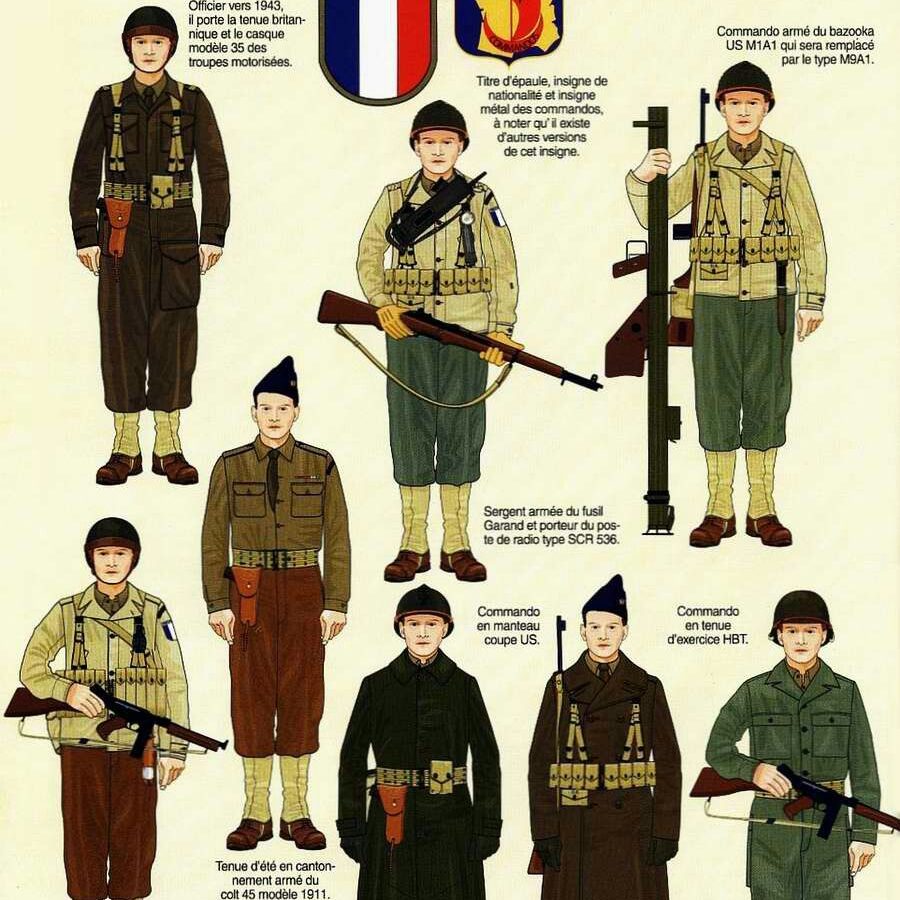
Each branch had its own distinctive uniform that reflected its operational needs and individual identity.
Key features of WWII uniforms varied widely, with materials ranging from wool to cotton and even synthetic fibers for specific functions. Iconic items such as the Army's M-1943 field jacket and the Navy's dress blues have become iconic representations of this tumultuous period.
Camouflage patterns also evolved throughout the war, with innovations that paralleled battlefield strategies and technological advancements.
The historical significance of these uniforms extends beyond their utilitarian purpose; they serve as a visual chronicle of changing military doctrines and societal values during and after the war.
This section aims to provide an extensive overview of these uniforms, highlighting not only their designs but also their role in the broader context of WWII. Whether you are a seasoned collector or a newcomer to militaria, our resources will assist you in understanding the various styles, materials, and historical importance of WWII uniforms, making it a valuable reference point for all who share an interest in this pivotal era.